
How Much Should You Set Aside for Pest Control Services?
Pest problems can develop with little warning, turning a minor nuisance into an expensive household issue. Ants, termites, rodents, cockroaches, mosquitoes, and other pests can affect homes in different ways, and the cost of addressing them varies accordingly. For homeowners, setting aside money for pest control services can make it easier to respond when an infestation appears without disrupting the household budget.
The amount needed depends on several factors, including the size of the property, the type of pest involved, the severity of the problem, and whether treatment is needed once or on a recurring basis. Understanding these expenses can help homeowners create a realistic annual budget rather than dealing with an unexpected bill when pests become a problem.
What Are the Average Costs of Pest Control Services?
The cost of pest control services can vary considerably depending on the circumstances surrounding a particular treatment. A basic treatment for common household pests may cost considerably less than specialized work involving termites, bed bugs, wildlife, or an established infestation requiring multiple visits.
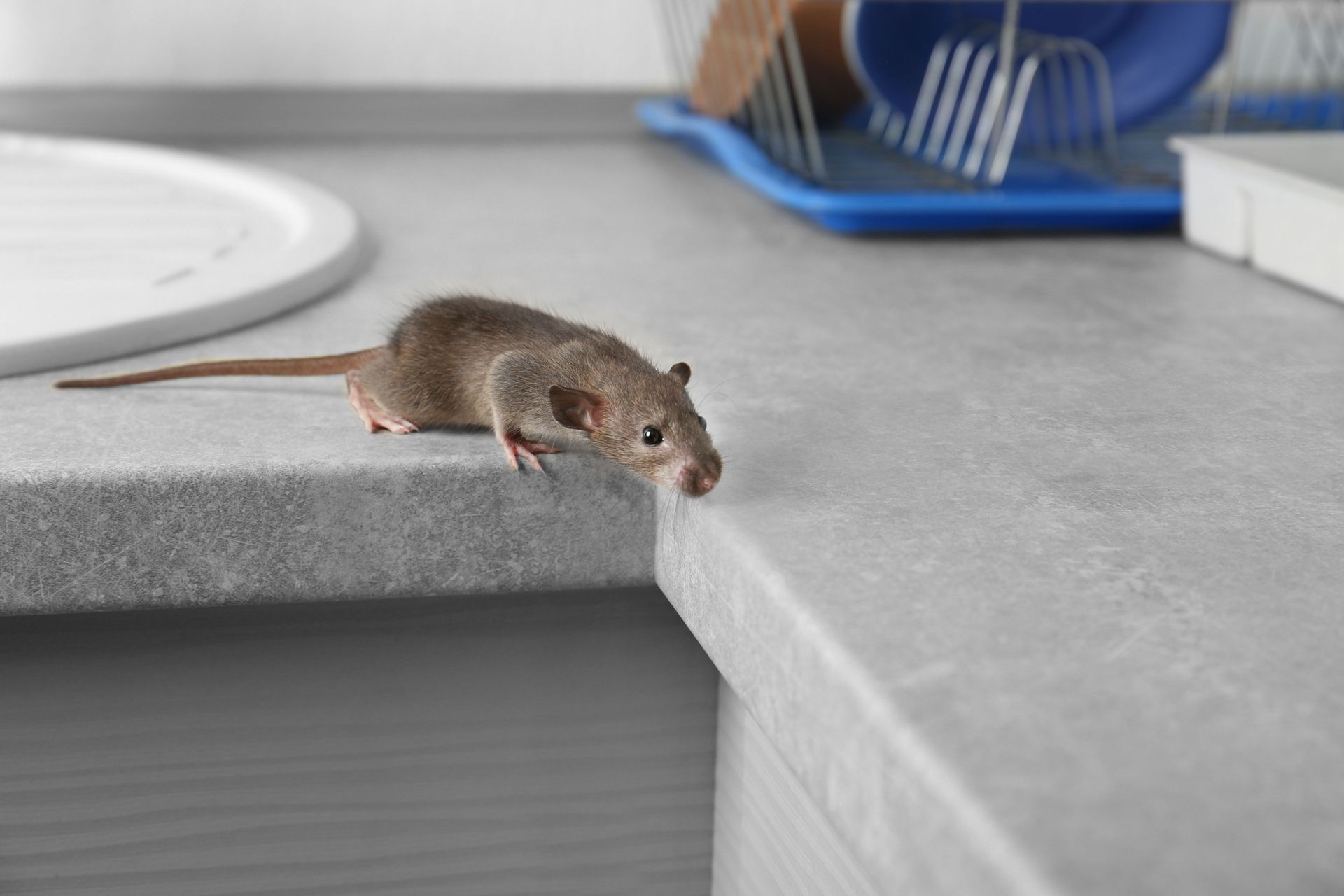
According to WorkWave, mouse infestations are particularly common in the Northeast, with 35% of residents reporting encounters with these pests. This prevalence can make rodent control an important consideration for homeowners in the region, particularly when budgeting for potential pest-related expenses.
Homeowners should also distinguish between an initial treatment and ongoing pest management. An initial visit may involve inspection, identification of the pest, treatment of affected areas, and recommendations for preventing another infestation. Recurring pest control services may then be priced separately.
Regional conditions can also influence prices. Areas with warm, humid climates may experience pest activity throughout more of the year, while colder regions can see seasonal increases in certain pests. Local labor costs and the availability of pest management providers can also affect pricing.
How Does Frequency of Service Affect the Cost?
The frequency of treatment is one of the most important considerations when budgeting for pest control services. Some properties may only need treatment after an infestation develops, while others benefit from scheduled preventive visits.
Monthly service generally represents a larger ongoing expense because technicians visit the property every four weeks or so. However, frequent treatment may be appropriate for properties experiencing persistent pest activity or locations where certain pests are common throughout the year.
Quarterly service provides another option. With visits approximately every three months, homeowners can maintain a preventive program while reducing the number of appointments compared with monthly treatment. For many households, this can provide a balance between ongoing protection and predictable expenses.
Annual treatment may be sufficient for some properties, particularly when pest activity is seasonal or relatively limited. However, an annual appointment may not address recurring problems that require monitoring throughout the year.
When comparing pest control services, homeowners should consider the total annual cost rather than focusing exclusively on the price of an individual visit. A lower per-visit price does not necessarily result in lower overall spending if treatment is required more frequently.
What Factors Influence Pest Control Pricing?
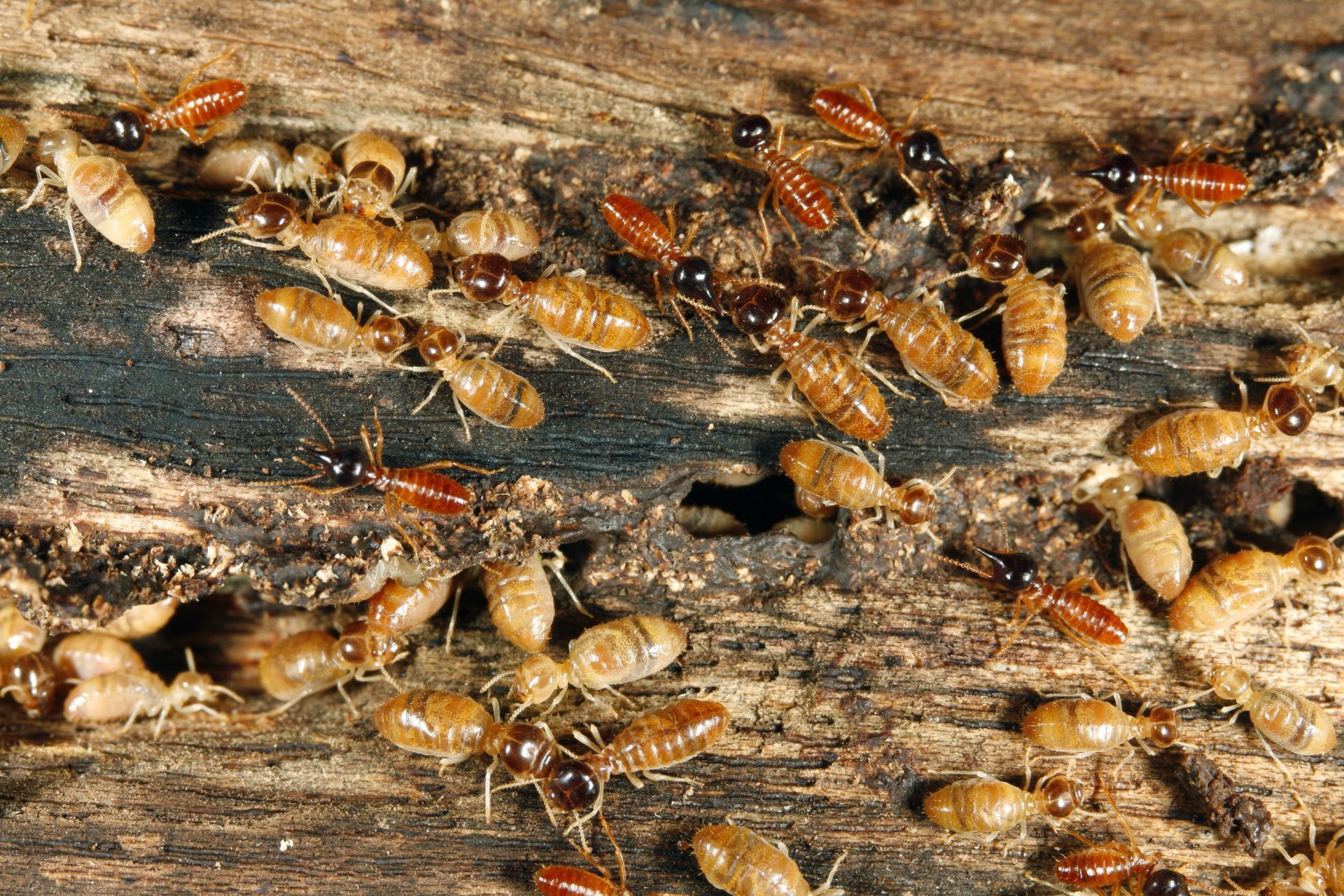
Several factors can affect the price of pest control services, making it difficult to establish one standard cost for every household. The type of pest is one of the most significant considerations. Treating a small number of ants may require less time and fewer resources than addressing termites, bed bugs, or a rodent infestation.
The severity of an infestation also matters. A small problem discovered early may require limited treatment, while a long-standing infestation can involve multiple visits and more extensive applications. Some situations may also require repairs or exclusion work to prevent pests from entering the property again.
Property size is another major consideration. A larger house generally requires more time and treatment materials than a small apartment or home. Detached garages, sheds, crawl spaces, attics, basements, and other structures can also increase the area that needs to be inspected or treated.
Accessibility can influence the cost as well. Pest activity in an easily accessible room may be relatively straightforward to address, while pests located inside walls, beneath flooring, in attics, or in difficult-to-reach areas may require additional work.
The treatment method can also affect pricing. Different pests require different approaches, and some infestations may require specialized equipment, monitoring, exclusion measures, or multiple applications. Homeowners should therefore consider what is included in a quoted price rather than comparing numbers without understanding the scope of each service.
Are There Cost Differences Between DIY and Professional Pest Control Services?
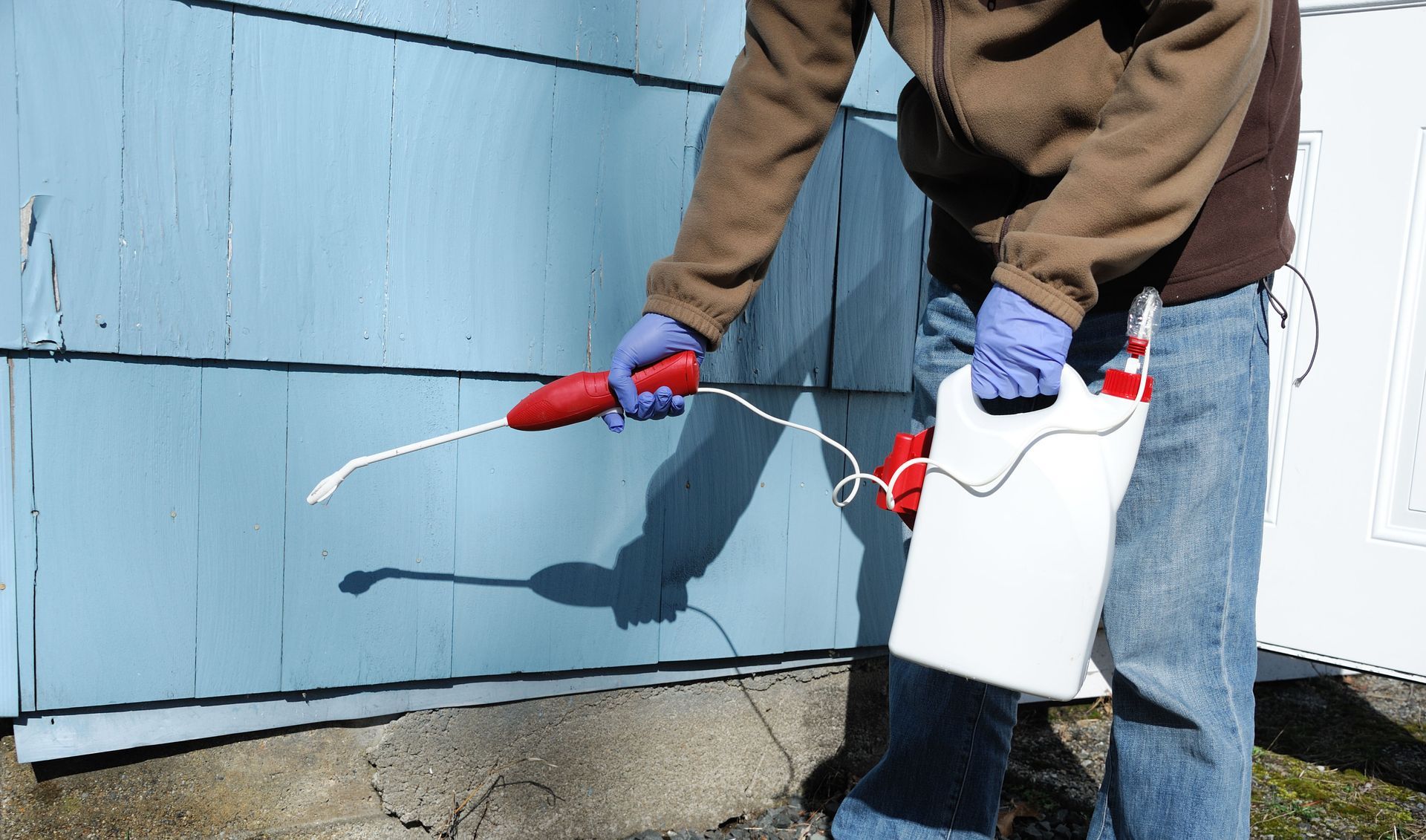
Do-it-yourself treatments can appear less expensive than professional pest control services, particularly when the problem is minor. Homeowners can purchase traps, sprays, baits, and other products from hardware stores and home improvement retailers. For an isolated issue, these products may provide a practical first step.
However, the initial purchase price does not always represent the total cost of a DIY approach. Homeowners may need several products to address different pests, and repeated applications can add to the expense. There is also the possibility that an incorrectly identified pest will be treated with an ineffective product, allowing the underlying problem to continue.
Professional pest control services bring trained personnel and specialized treatment methods into the equation. A professional can identify the pest, determine the extent of the problem, and select an appropriate treatment strategy. This can be particularly important for infestations that are difficult to identify or that persist after over-the-counter treatments have been used.
The decision between DIY and professional treatment should therefore depend on more than price alone. A homeowner dealing with a few ants may reasonably consider a DIY solution, while a significant termite, bed bug, or rodent problem may warrant professional attention sooner rather than later.
How Can You Budget for Unexpected Pest Control Expenses?
Because pest problems are difficult to predict, homeowners may want to include pest control services in their broader home maintenance budget. Setting aside a modest amount throughout the year can make an unexpected treatment easier to afford.
One approach is to establish a dedicated home maintenance reserve. Instead of waiting until an infestation occurs, homeowners can contribute a fixed amount each month. Even relatively small contributions can accumulate over time and provide funds for pest treatment, repairs, or other unexpected household expenses.
Homeowners should also consider the difference between routine and emergency expenses. If a property already has a history of recurring pest activity, budgeting for scheduled treatments may make more sense than treating each occurrence as an unexpected expense. Conversely, a household with little previous pest activity may prioritize a general emergency reserve.
Preventive maintenance can also play a role in controlling costs. Sealing gaps around doors and windows, repairing damaged screens, addressing moisture problems, keeping food stored properly, and maintaining outdoor areas can reduce conditions that attract certain pests. These steps cannot eliminate every possible infestation, but they can help reduce opportunities for pests to enter and establish themselves.
Budgeting for
pest control services requires more than choosing a single dollar figure because treatment costs depend on the pest, property, severity of the infestation, location, and frequency of service. A homeowner may spend relatively little addressing an isolated problem, while a substantial infestation can require considerably more.
For many households, the most practical strategy is to establish a home maintenance reserve and contribute to it throughout the year. This provides flexibility when unexpected pest problems arise while also making routine pest management easier to plan. By accounting for both predictable and unforeseen expenses, homeowners can approach pest control with a budget that reflects the realities of maintaining a property. If you need pest removal, reach out to iCi Termite & Pest Control Inc today!

Share On: